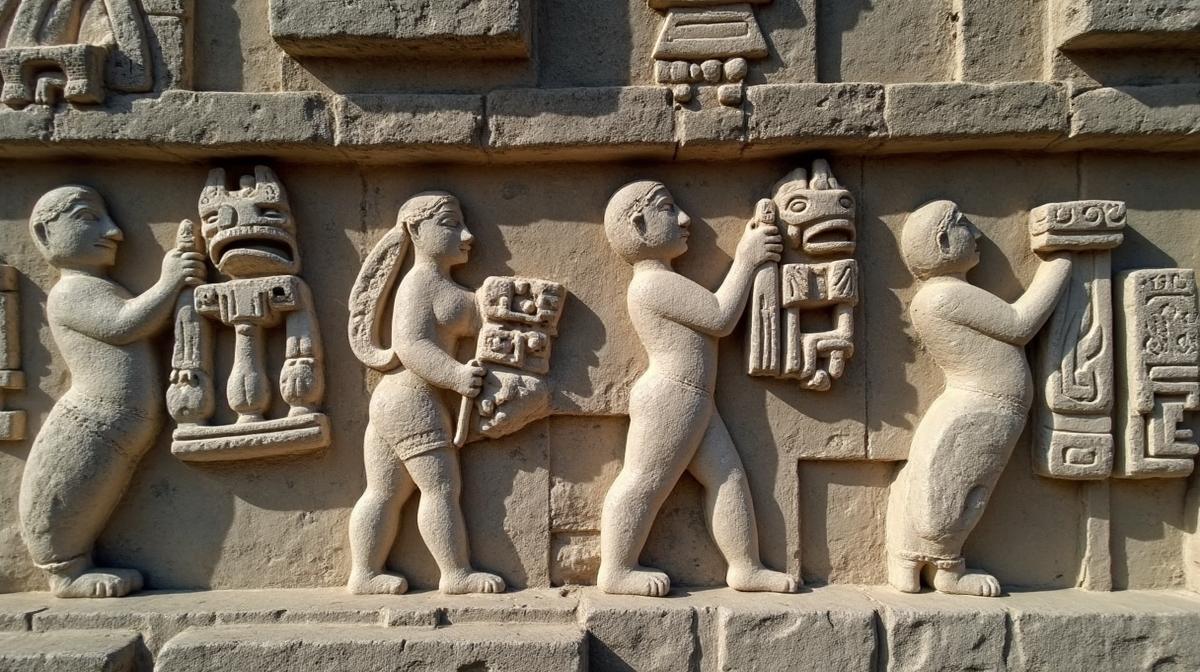
Chichen Itza History & Facts: Ancient Mayan Wonder
Explore the fascinating 1,400-year history of one of the New Seven Wonders of the World — from its founding around 600 AD to its status as a UNESCO World Heritage Site today.
Updated: April 2026 • 10 min read • Historical Guide
Explore ToursQuick Facts
Founded
Around 600 AD
Civilization
Mayan & Toltec
Wonder of the World
Since 2007
UNESCO
Since 1988
Historical Timeline
- 600 ADSettlement begins; early Maya groups found Chichen Itza.
- 800-900 ADChichen Itza becomes a major regional center.
- 987 ADThe Toltec king Topiltzin Ce Acatl Quetzalcoatl arrives.
- 1000-1200 ADChichen Itza prospers as the capital of the Maya civilization.
- 1221 ADThe League of Mayapan is formed; Chichen Itza's power declines.
- 1400 ADChichen Itza is abandoned.
- 1531 ADSpanish conquistadors arrive.
- 1841 ADArchaeological exploration begins.
- 1988 ADChichen Itza is designated a UNESCO World Heritage Site.
- 2007 ADChichen Itza is named one of the New Seven Wonders of the World.
El Castillo Deep Dive
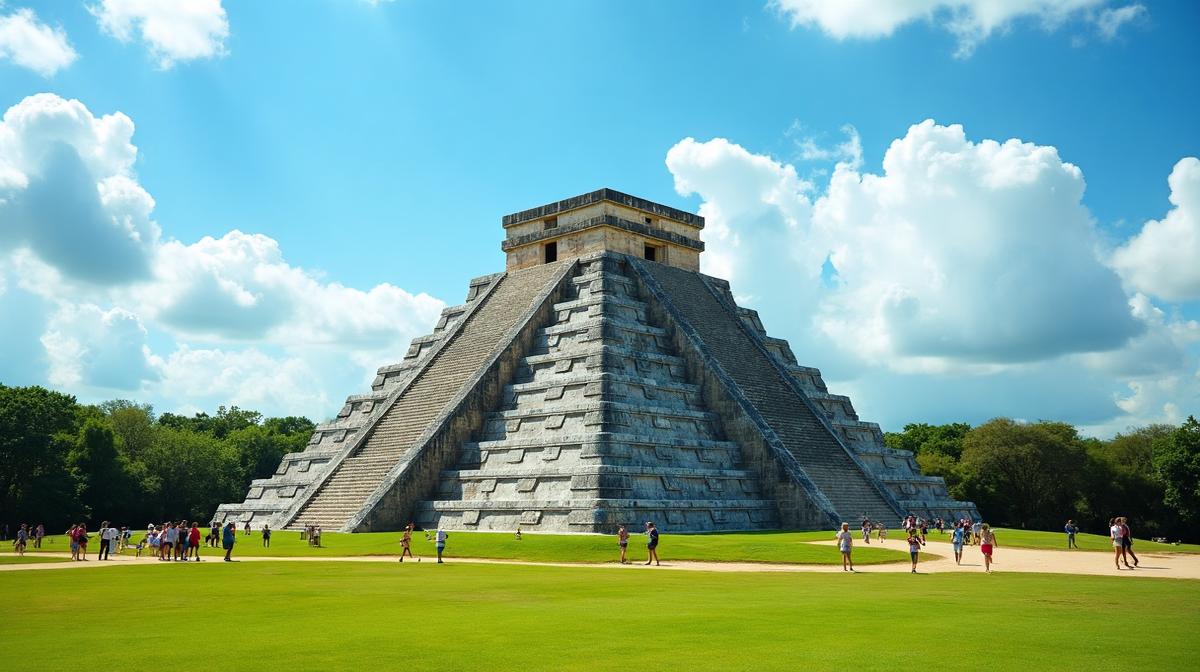
El Castillo, also known as the Temple of Kukulcán, is the most iconic structure at Chichen Itza. This 30-meter-tall stepped pyramid was built by the Maya civilization between the 9th and 12th centuries AD as a temple to the god Kukulcán (the Mayan version of Quetzalcoatl, the feathered serpent of Mesoamerican mythology).
The pyramid's design is full of astronomical and religious symbolism. Each of its four sides has a staircase with 91 steps, which, when added to the top platform, totals 365 steps, one for each day of the year. During the spring and autumn equinoxes, sunlight casts triangular shadows on the north staircase, creating the illusion of a serpent descending the pyramid.
The Serpent Equinox
Visit during the spring and autumn equinoxes to witness the famous serpent descent on El Castillo.
Key Structures
El Castillo (Temple of Kukulcán)
The iconic step pyramid, dedicated to the feathered serpent god Kukulcán.
Great Ball Court
The largest ball court in Mesoamerica, where ritual games were played.
Temple of Warriors
A large stepped pyramid with carved pillars depicting warriors.
Group of a Thousand Columns
A complex of columns and platforms near the Temple of Warriors.
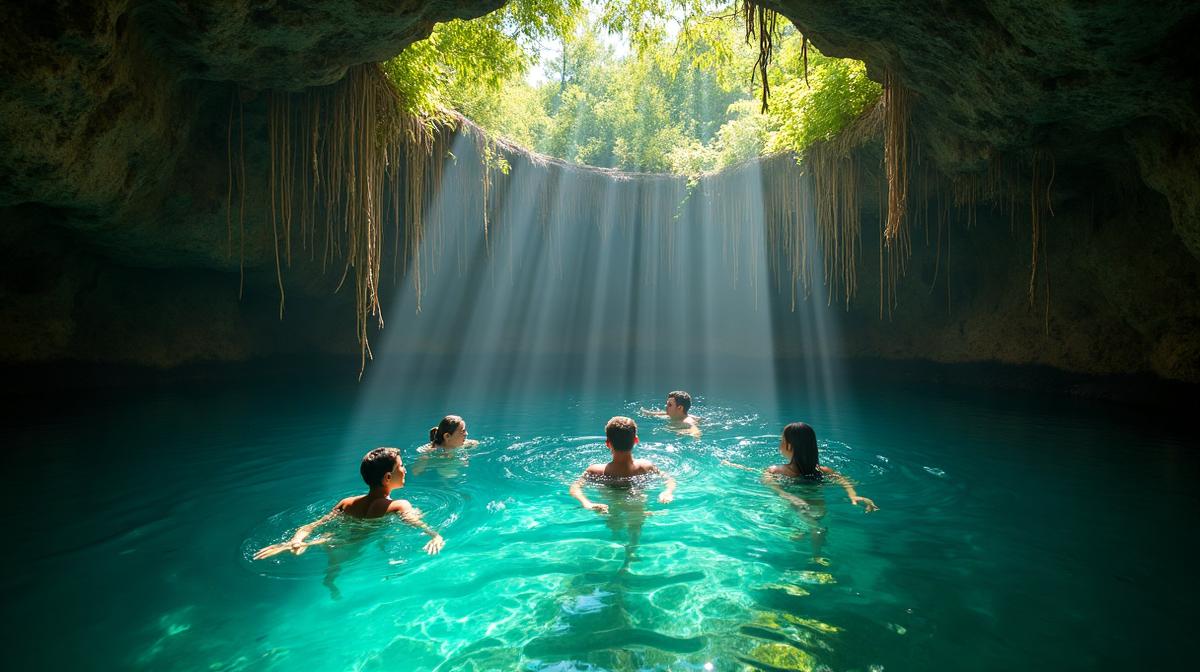
Sacred Cenote
A natural sinkhole used for sacrificial offerings.
The Observatory (El Caracol)
A unique structure used for astronomical observations.
Amazing Facts
- El Castillo has 365 steps, representing the days of the year.
- During the equinoxes, a serpent shadow appears on El Castillo.
- The Great Ball Court is larger than a football field.
- The Sacred Cenote was used for sacrificial offerings, including human sacrifices.
- Chichen Itza was a major center for astronomy and mathematics.
- The site shows a blend of Maya and Toltec architectural styles.
Chichen Itza History FAQs
Answers to common questions about Chichen Itza history and facts
Check Availability
Find your perfect tour in seconds
Free Cancellation
Up to 24 hours before
Instant Confirmation
Booking confirmed immediately
Best Price Guarantee
Find it cheaper? We'll match
Secure Checkout
256-bit SSL encryption
Popular Chichen Itza Tours
Our top-rated tours — all with free cancellation.
Chichen Itza Day Tours
All-inclusive group day trips with cenote and lunch.
Private Chichen Itza Tours
Your own guide, vehicle and itinerary.
Sunrise Tours
Beat the crowds and the heat — enter at 8 a.m.
Tours from Cancún
Hotel pickup from every Cancún resort.
Tours from Playa del Carmen
Direct departures from 5th Avenue and resorts.
Tours from Tulum
Combine Chichen Itza with the Tulum Riviera.
Planning Guides
Everything you need to know before you visit.
Best Time to Visit
Month-by-month weather, crowds and prices.
What to Bring
Complete packing list for visitors.
Entrance Fees
Updated 2026 ticket pricing and discounts.
How to Get There
Tours, rental cars, buses — fully compared.
Dress Code & Rules
What to wear, what's prohibited on site.
Photography Tips
Best angles, golden hours and gear rules.
Ready to Explore Chichen Itza?
Book your tour today and experience one of the world's most incredible archaeological wonders. Free cancellation on all bookings.